
Approved Science Ashwagandha for Adrenal Health
ADRENAL PRODUCTS & SERVICESPRODUCTS & SERVICES
12/27/20255 min read
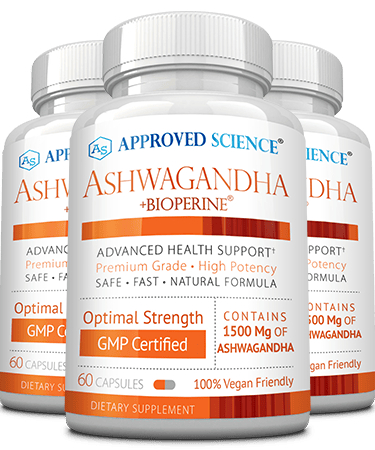
Approved Science Ashwagandha for Adrenal Health
Ever feel like your body runs on low battery, even after a full night in bed? That worn-down feeling often points back to stress load, not “laziness” or a lack of willpower.
When people talk about Adrenal health, they usually mean how well the body handles pressure, keeps energy steady, and winds down for sleep. Modern life can push those systems hard, so it’s no surprise many of us feel run down.
That’s where Ashwagandha comes in. It’s an adaptogen, a plant that may help the body respond to stress in a more balanced way. This article focuses on support for stress and cortisol balance, not a cure, and not a replacement for medical care. If you’re curious about options like Approved Science, you’ll learn what to expect and how to use it smart.
What “Adrenal health” really means (and why you feel drained)
Your adrenal glands sit on top of your kidneys. They help your body respond to stress by making hormones, including cortisol and adrenaline. Think of cortisol like your body’s “get going” signal. It helps manage energy, blood sugar, inflammation, and alertness.
Here’s the myth-busting part: most people who feel exhausted do not have adrenal failure. True adrenal diseases, like Addison’s disease (too little cortisol) or Cushing’s syndrome (too much cortisol), are serious medical conditions with clear testing and treatment. Everyday “adrenal fatigue” is not a formal diagnosis, even if the symptoms feel very real.
So what’s happening when you’re wiped out? Often, it’s stress overload plus poor recovery. Your nervous system stays on high alert, sleep gets lighter, cravings get louder, and energy comes in waves instead of a smooth line.
Common signs you might be pushing too hard:
Wired-but-tired at night, then slow in the morning
Afternoon crash, then a “second wind” late evening
Sugar or salty cravings when you’re stressed
Sleep trouble, mood swings, and short patience
If symptoms are severe, sudden, or scary (fainting, unexplained weight loss, chest pain, blackouts), talk with a clinician right away. If you suspect a hormone issue, ask about proper testing, not guesses.
Cortisol basics: the daily rhythm your body wants
Cortisol follows a daily curve. It’s usually higher in the morning to help you wake up, then it gradually drops through the day, and it’s lower at night so you can sleep. Late nights, constant stress, and heavy caffeine can nudge that curve off track. The result can feel like a dimmer switch stuck halfway, you’re not fully “on” in the day, and not fully “off” at night.
Lifestyle stressors that hit adrenal signaling the hardest
A few common stressors can stack up fast. Small changes matter more than perfect routines.
Poor sleep: Set a regular wake time, even on weekends.
Overtraining: Swap one hard workout for a brisk walk day.
Under-eating: Add a protein-forward snack mid-afternoon.
Ultra-processed foods: Aim for one whole-food meal daily to start.
Shift work or late screens: Dim lights and use screen limits 60 minutes before bed.
Benefits of Approved Science Ashwagandha for Adrenal support
If stress is the spark, your daily habits are the fuel. Supplements can be helpful support, especially when you stay consistent. Many studies on Ashwagandha use standardized root extracts, which means the product is made to deliver a steady amount of key plant compounds. Results still vary based on dose, quality, and how long you take it.
A well-made supplement like Approved Science Ashwagandha is often used for calm energy, sleep support, and stress resilience. The goal is not to “force” your body to relax. The goal is to make your stress response feel less extreme, so your day is easier to manage.
Helps your body handle stress better (adaptogen support)
Adaptogens are plants that may help the body adapt to stress. In plain terms, they can support steadier reactions when life gets loud. Some people taking Ashwagandha report feeling less “revved up” during busy weeks. You might still have stress, but it doesn’t hit as hard.
That can show up as fewer racing thoughts, less tension in the body, and a calmer baseline. It’s not a guaranteed switch, but it’s a common reason people try Approved Science.
Supports healthier cortisol balance for steadier energy
When stress runs long, energy often turns choppy. You can feel fine at 10 a.m., crash at 3 p.m., then struggle to fall asleep. Because cortisol is part of your daily energy pattern, supporting cortisol balance may support steadier energy.
Some people using Ashwagandha notice fewer afternoon slumps and less “tired but wired” at night. Keep expectations realistic: symptoms and cortisol tests don’t always match neatly. Track what you feel (energy, cravings, sleep), not just numbers.
May improve sleep quality, so recovery feels real
Sleep is where recovery actually happens. If your nervous system stays on alert, you might fall asleep but still wake up feeling wrung out. Stress signaling and Adrenal hormones are tied to that loop.
For some people, Ashwagandha may support sleep quality. That can mean falling asleep a bit easier, waking less often, or feeling more restored in the morning. Pair it with one simple sleep habit: keep your bedroom cool and your lights low for the last hour before bed. Your brain reads darkness as a safety signal.
Supports mood and focus when stress is high
Stress can make you snappy, foggy, and scattered. You reread the same email three times, forget why you walked into the kitchen, then get annoyed at yourself. When your body is bracing for impact all day, focus gets harder.
Approved Science Ashwagandha is often used to support a calmer mood and clearer focus under pressure. Many people describe it as “steady,” not sedating. You still have drive, you just feel less pulled in ten directions.
How to use Approved Science Ashwagandha safely for Adrenal health
The best supplement plan is the one you’ll actually follow. Start simple, stay consistent, and pay attention to your body. Many studies use standardized extracts in the few-hundred-milligram range, but needs vary. If you take medications or manage a condition, ask a clinician before starting.
A smart way to begin is to pick one time of day, tie it to a routine (like breakfast or your evening wind-down), and keep notes for a few weeks.
Quick start checklist:
Choose one consistent daily time to take it
Give it at least 2 weeks before judging
Track sleep, energy, mood, and cravings
Stop if you feel unwell, and talk to a clinician
What to look for in a quality Ashwagandha supplement
Quality affects both results and stomach comfort. Look for a standardized root extract with clear labeling, not a vague “proprietary blend.” Third-party testing is a plus, since it supports purity and label accuracy. Also check the “extras” list. Simple is often better, especially if you’re sensitive to fillers or sweeteners.
If you’re using Approved Science, aim for steady daily use. Many people don’t feel much from random, once-in-a-while dosing.
Who should avoid it, and possible side effects
Skip Ashwagandha or get medical guidance first if you’re pregnant or breastfeeding, have thyroid conditions or take thyroid meds, manage autoimmune disease, have upcoming surgery, or take sedatives, anxiety meds, blood pressure meds, or blood sugar meds.
Possible side effects are usually mild, but they can happen:
Stomach upset or nausea
Sleepiness (often if taken earlier in the day)
Vivid dreams
Conclusion
If you feel worn out, it helps to think in systems, not willpower. Approved Science Ashwagandha may support a steadier stress response, healthier cortisol balance, better sleep quality, calmer mood, and more stable energy. The biggest wins often show up when you pair it with basics: regular sleep, real food, daily movement, and a few slow breaths when your shoulders creep up.
Try a consistent routine for 4 to 8 weeks and track sleep, energy, and mood. That simple log can be more powerful than guesswork. Your goal is steady, not perfect.
Medical Disclaimer - Educational only, not medical advice. Supplements affect people differently. Talk with a qualified healthcare professional for personal guidance, especially if you have a condition or take medications.
Claim Your Health & Wellness
Explore tips and products for a healthier lifestyle.
Claim your health & wellness
info@claimyourhealthandwellness.com
© 2025. All rights reserved.