
Fatty Liver and Stubborn Belly Fat: Food Choices and Habits That Help Your Liver Do Its Job
WEIGHT LOSSFATTY LIVER
12/24/20257 min read
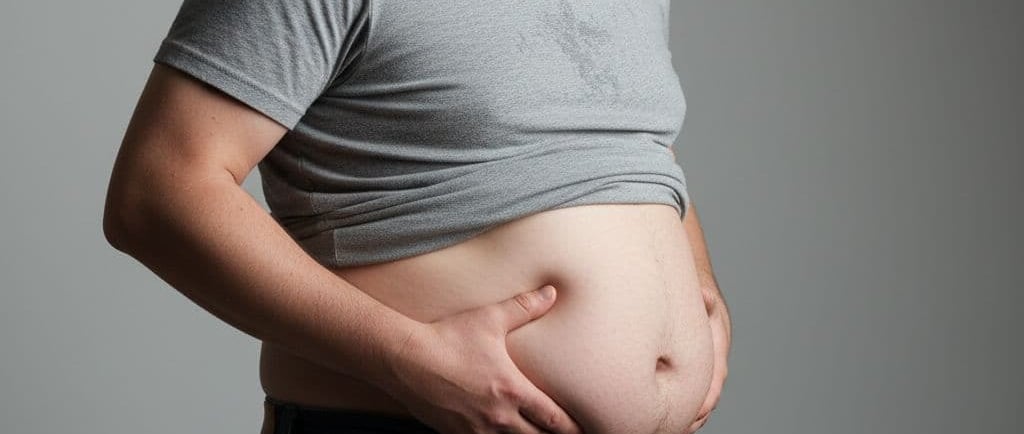

Fatty Liver and Stubborn Belly Fat: Food Choices and Habits That Help Your Liver Do Its Job
You’ve been eating “pretty well,” you’ve tried to move more, and yet the belly fat won’t budge. Then a routine checkup happens, maybe your doctor mentions fatty liver, or your liver enzymes (ALT, AST) are high, and suddenly it feels connected.
It often is. Your liver isn’t just a filter. It helps manage fat, blood sugar, and inflammation. When it’s stressed, your body can get better at storing fat (especially around the waist) and worse at using it for fuel. That doesn’t mean you’re broken, it means the plan needs to support your liver, not fight it.
This post covers food choices and daily habits that can improve fatty liver over time and help your waistline follow. It’s not a quick fix. For many people, alcohol, sugary drinks, and ultra-processed foods keep the cycle going. If you have diabetes, high triglycerides, take prescription meds, or already have liver disease, work with a clinician as you make changes.
Why fatty liver and belly fat often show up together
Fatty liver means extra fat stored inside liver cells. You’ll still hear the older term NAFLD (non-alcoholic fatty liver disease). Many clinicians now use MASLD (metabolic dysfunction-associated steatotic liver disease). Different name, same common pattern: the liver gets packed with fat when the body struggles to handle energy well.
Here’s the simple version of why belly fat and fatty liver link up:
Insulin resistance makes it easier to store fat and harder to tap into it. When insulin runs high, your body tends to “park” more energy in the belly area.
The liver can start making and sending out more triglycerides (blood fats). High triglycerides often travel with belly fat, fatty liver, and rising blood sugar.
Low-grade inflammation can increase water retention, cravings, poor sleep, and stress eating, which makes progress feel slow and messy.
A frustrating twist: you can have fatty liver even if you’re not “overweight.” Some people store fat more easily in the liver due to genetics, low muscle mass, menopause-related changes, certain health conditions, or years of high sugar intake.
A checkup is smart if your waist is creeping up or your energy is sliding. Signs that should prompt labs or a talk with your clinician include:
Feeling tired most days, even after sleep
High or rising ALT/AST on bloodwork
High triglycerides (or low HDL)
Rising A1C or fasting glucose
A growing waist even if weight stays similar
The liver is your body’s “fat and sugar traffic controller”
Your liver works like a busy shipping center.
It stores sugar as glycogen, releases sugar between meals, and helps keep blood glucose steady. It also packages fat into triglycerides and sends them into the bloodstream. On top of that, it filters compounds you don’t want hanging around, and it makes bile so you can digest fats and absorb vitamins.
When the liver is overloaded (often from excess calories, added sugar, and alcohol), it can start converting more sugar into fat and storing it. It may also push more triglycerides into the blood. That combination can make belly fat more “stubborn,” even if you’re doing the usual calorie cutting.
Common causes that keep liver fat and belly fat stuck
Most cases aren’t caused by one “bad” food. It’s usually a stack of daily inputs that add up.
Common drivers include:
Sugary drinks and fruit juice
Refined carbs (white bread, pastries, many snack foods)
Frequent snacking that never lets insulin come down
Ultra-processed foods (easy to overeat, low in fiber)
Alcohol (even “just on weekends” can stall progress)
Poor sleep and irregular sleep times
High stress (which can raise cravings and late-night eating)
Low muscle mass and not enough protein
Sitting most of the day, even if you work out sometimes
Some meds and conditions can also contribute, including PCOS, hypothyroidism, and sleep apnea. If any of those apply to you, it’s worth asking your clinician what to test and what changes make sense.
Food choices that help your liver burn fat and shrink your waist
Good news, you don’t need a perfect diet to help fatty liver. You need a pattern your body can repeat. Think “less sugar in, more real food, and fewer snacky detours.”
One of the most consistent findings across lifestyle research is that modest weight loss helps liver markers. Losing 5 to 10 percent of body weight can improve liver fat and enzyme levels for many people. You don’t have to chase rapid loss. Steady loss tends to stick.
Start with the highest return changes.
Cut added sugar and liquid calories first (soda, sweet coffee, juice)
If you want one change that often moves the needle fast, it’s this.
Liquid sugar is easy to overdo and doesn’t fill you up. It can spike blood sugar, raise insulin, and feed the “store it” signal that your liver and belly fat respond to.
Simple swaps that still feel satisfying:
Sparkling water with lemon, lime, or a splash of unsweetened cranberry
Unsweet tea (add mint, cinnamon, or citrus)
Coffee with cinnamon and a splash of milk or unsweetened plant milk
Whole fruit instead of juice (fiber slows the sugar hit)
A quick label habit: check for “added sugar,” syrups, and large serving sizes. “Natural flavors” can also hide very sweet products. If you drink it in 30 seconds, your liver has to deal with it all at once.
Build meals around protein and fiber to lower cravings
When fatty liver and belly fat hang around, cravings often run the show. Protein and fiber help quiet them. They slow digestion, support steadier blood sugar, and make it easier to stop eating without feeling punished.
A simple plate rule that works for keto-leaning and plant-forward styles:
1 palm of protein
2 fists of non-starchy veggies
1 cupped hand of smart carbs (or add more veggies if you prefer low-carb)
1 thumb of healthy fat
Protein options (mix and match your preferences): eggs, Greek yogurt, cottage cheese, fish, chicken, lean meat, tofu, tempeh, edamame, lentils, beans.
Fiber-forward foods that tend to help fatty liver goals: leafy greens, broccoli, cauliflower, peppers, mushrooms, berries, chia, flax, oats, beans, and lentils.
Meal ideas that fit real life:
Breakfast: Greek yogurt (or soy yogurt) with berries, chia, and walnuts
Lunch: Big salad with salmon or tofu, olive oil, and beans or quinoa
Dinner: Chicken and roasted veggies with a side of lentils, or tofu stir-fry over cauliflower rice
If breakfast is usually carbs alone (cereal, toast, a pastry), adding protein there often reduces snacking later without “trying harder.”
Choose fats that support liver health, limit the ones that do not
Not all fats act the same in the body, and you don’t need to fear them. You just want the fats that help you feel full and support healthier blood fats.
Better choices to use often:
Omega-3 rich foods: salmon, sardines, trout, herring, chia, flax, walnuts
Monounsaturated fats: olive oil, olives, avocado, nuts
Fats to limit because they’re easy to overeat and often come with refined carbs and excess calories: deep-fried foods, frequent fast food, packaged pastries, chips, and many ultra-processed “crunchy” snacks.
A simple cooking rule that helps without drama: bake, grill, air fry, or sauté in olive oil, and measure oils instead of free-pouring. A tablespoon here and there adds up faster than most people think.
Daily habits that make your liver’s job easier (and help belly fat move)
Food matters, but habits decide what sticks. Your liver responds to what you do most days, not what you do perfectly.
If you have diagnosed liver disease, diabetes, or take glucose-lowering meds, check in with a clinician before big changes to diet, fasting, or exercise.
Move after meals and lift a few times a week
Think of your muscles as a sponge for sugar. When muscles contract, they pull glucose out of the blood. That means less sugar stays in circulation, and your liver has less pressure to turn extra fuel into fat.
Start small and repeat it:
Walk 10 minutes after 1 meal per day (build up to 2 meals if you can)
Do 2 to 3 strength sessions per week (20 to 30 minutes)
No gym needed. Simple moves work:
Chair squats
Wall pushups or incline pushups
Dumbbell or band rows
Farmer carries (hold heavy bags or dumbbells and walk)
Strength training can shrink your waist even when the scale moves slowly, because muscle improves how your body handles carbs and stored fat.
Sleep, stress, and alcohol, small changes that matter a lot
When sleep is short, hunger hormones shift and cravings rise. When stress is high, late-night eating gets easier to justify. These aren’t character flaws, they’re body signals.
Try this sleep baseline:
Aim for 7 to 9 hours
Keep a steady wake time most days
Reduce screens late at night
If you’re caffeine-sensitive, stop after lunch
For stress, don’t overthink it. Pick a 5-minute reset and repeat it daily:
Box breathing (slow inhale, hold, exhale, hold)
A short walk outside
A quick journal brain-dump
Alcohol deserves a direct callout. Alcohol can worsen fatty liver and stall belly fat loss, even if the rest of your diet looks “clean.” If your labs are off or your waist won’t move, consider a 30-day break. If you drink, keep it occasional and choose lower-sugar options.
Late-night snacking also matters for many people. A simple kitchen cut-off time can reduce extra calories without tracking, especially if evenings are your weak spot.
A simple 2-week starter plan (no extremes)
Two weeks is enough time to feel changes in energy, cravings, digestion, and waist comfort. It’s also short enough to commit without burnout. Keep it flexible. Keto-leaning readers can reduce starchy carbs and add more veggies and protein. Vegan readers can lean on tofu, tempeh, lentils, beans, and soy yogurt.
Your daily checklist
Choose water, unsweet tea, or coffee without sugar (add cinnamon or a splash of milk)
Eat protein at breakfast
Add at least 2 cups of non-starchy veggies across lunch and dinner
Walk 10 minutes after one meal
Stop eating 2 to 3 hours before bed (only if it helps cravings and sleep)
How to know it is working (and when to get help)
Progress often shows up before dramatic weight loss.
Two ways to track results besides the scale:
Measure your waist once per week (same time, same spot)
Track energy and cravings in a quick note (morning and evening)
Also watch small markers if you have them: home blood pressure, fasting glucose, how your clothes fit, and how often you snack.
Plan follow-up labs with your clinician after a few months if you’re working on fatty liver: ALT/AST, triglycerides, A1C, and fasting glucose are common.
Troubleshooting if you stall:
Hidden sugar drinks (sweet coffee, “healthy” smoothies)
Weekend alcohol
Too little protein at meals
No strength work at all
Sleep slipping below 7 hours
Get medical care right away for red flags like yellow skin or eyes, severe belly swelling, black stools, vomiting blood, confusion, or severe right upper belly pain.
Conclusion
Fatty liver and stubborn belly fat often travel together because the liver helps manage fat storage, blood sugar, and inflammation. When the liver is under strain, the waistline can be harder to change.
The most reliable steps are also the most basic: cut added sugar and liquid calories, eat more protein and fiber, choose better fats, move daily (especially after meals), lift weights a few times a week, protect sleep, and limit alcohol. Small actions compound, and your body notices consistency more than intensity.
If you pick just two changes today, start with unsweet drinks and a 10-minute post-meal walk.
Disclaimer - Educational only, not medical advice. Talk to a qualified healthcare professional for diagnosis and treatment, and don’t stop medications without medical guidance.
Claim Your Health & Wellness
Explore tips and products for a healthier lifestyle.
Claim your health & wellness
info@claimyourhealthandwellness.com
© 2025. All rights reserved.