
Hypertension and Sleep: How Poor Rest Raises Your Blood Pressure
HYPERTENSIONSLEEP
12/17/20256 min read
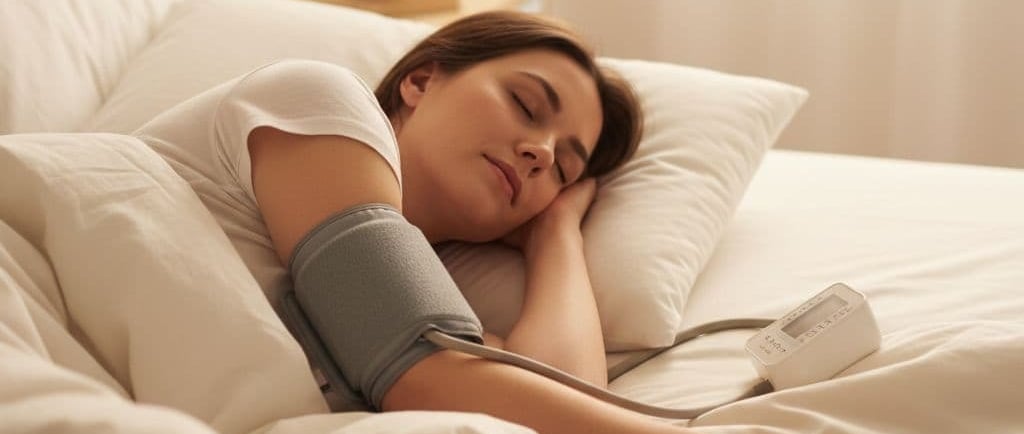

Hypertension and Sleep: How Poor Rest Raises Your Blood Pressure
You know the feeling after a rough night. Your eyes sting, your brain feels foggy, and every little thing gets on your nerves. It is easy to blame work, kids, or stress and grab another coffee.
But that tired, wired feeling can also be a sign that your blood pressure is not getting the break it needs. Over time, that can feed into hypertension, which is the medical word for high blood pressure.
Hypertension means the force of blood against your artery walls stays higher than it should. Your heart has to push harder, and your blood vessels take more wear and tear. Quiet problems build up in the background and raise the risk of heart attack, stroke, and kidney disease.
Most people think of salt, weight, or family history when they hear "high blood pressure." Sleep often gets ignored. Yet how you sleep each night can shape your blood pressure pattern all day. This guide explains how poor sleep pushes numbers higher, what to watch for, and simple steps that help your heart.
How Sleep and Blood Pressure Are Connected
Sleep is not just "off time." It is an active process that helps reset systems all over the body. That includes your heart and blood vessels.
During good sleep, your nervous system shifts into a calmer mode. Your heart rate slows, your breathing deepens, and your blood vessels relax. Think of it like turning city traffic into a quiet side street at night.
When sleep is short, broken, or poor quality, that calm reset does not work well. Your heart keeps working harder than it should. Your pressure may not drop at night, and your average 24-hour blood pressure creeps up.
What Happens to Your Blood Pressure While You Sleep
In healthy sleep, blood pressure "dips" at night. That means it drops by about 10 to 20 percent compared with daytime levels. This dipping is like a nightly quiet period that lets the heart rest and repair tiny damage.
If you spend enough time in deeper stages of sleep, this pattern stays steady. Your blood vessels relax, tiny muscles in their walls loosen, and blood flows more smoothly.
When sleep is cut short or often interrupted, your pressure may not dip at all. Some people even have higher blood pressure at night than during the day. Doctors sometimes call this a "non-dipping" pattern.
Over months and years, a missing dip matters. It keeps average blood pressure higher around the clock. That steady strain can speed up damage to arteries, the heart, and organs that depend on healthy blood flow.
Stress Hormones, Poor Sleep, and Rising Blood Pressure
Poor sleep also stirs up your stress system. Hormones like adrenaline and cortisol, often called the body's "alarm hormones," stay higher than they should.
Adrenaline speeds up heart rate and tightens blood vessels. Cortisol helps the body wake up and get ready for action. These are helpful in short bursts, such as when you dodge a car or rush to meet a deadline.
When you sleep badly night after night, that alarm never fully turns off. Your body acts like it is facing a threat, even when you are in bed. Blood vessels stay tighter, and the heart has to push harder against more resistance.
Think about a week of late nights to finish a project or rotate night shifts. By the end of the week, you may feel edgy, tired, and wired at the same time. You might notice your blood pressure running higher than usual. That is not just stress at work; it is also stress in your sleep.
Common Sleep Problems That Can Push Blood Pressure Higher
Not all sleep trouble looks the same. Some people lie awake for hours. Others snore and stop breathing without knowing it. Many assume they are just "not good sleepers" and push through.
Three common sleep problems have strong links to higher blood pressure: insomnia, obstructive sleep apnea, and short sleep duration.
Insomnia: Trouble Falling or Staying Asleep
Insomnia means you often have a hard time falling asleep, staying asleep, or you wake too early and cannot get back to sleep. You may lie in bed with racing thoughts, replaying the day or worrying about tomorrow.
When the mind will not slow down, the body does not either. Heart rate stays higher, muscles stay tense, and stress hormones stay active at night. Instead of being a repair time, sleep becomes another stress period.
Long-term insomnia is linked with higher blood pressure and higher risk of heart disease. Signs to notice include lying awake for more than 30 minutes most nights, waking many times, or feeling unrefreshed even after 7 to 8 hours in bed. If this sounds familiar, it is not just "being a night owl." It may be affecting your heart.
Obstructive Sleep Apnea: Loud Snoring and Pauses in Breathing
Obstructive sleep apnea is a common condition where the airway collapses or gets blocked during sleep. Breathing stops for short moments, then restarts with a gasp, snort, or choke.
Typical signs include loud snoring, breathing pauses that someone else notices, waking with a dry mouth or headache, and feeling very sleepy during the day. Many people with sleep apnea also wake often to use the bathroom at night.
Each breathing pause lowers oxygen levels. The body senses this drop and sends a surge of alarm signals. Blood pressure spikes, heart rate jumps, and the chest works harder to pull in air. This can happen dozens or even hundreds of times per night.
Over time, these repeated spikes push average blood pressure higher. Untreated sleep apnea is one of the most common reasons blood pressure stays high even with several medicines. Many people have no idea they have it until someone mentions their loud snoring or gasping.
Short Sleep: Why Less Than 6 Hours a Night Is Risky
Most adults need about 7 to 9 hours of sleep to stay healthy. Regularly getting less than 6 hours is linked with higher blood pressure and higher risk of heart disease and stroke.
Sleep debt adds up quietly. You might think, "I am fine on 5 hours," because you are used to feeling tired. But your body keeps a running tab. Hormones drift out of balance, stress systems stay active, and blood pressure rises.
Short sleep is common with long work hours, late-night screen time, or caring for a baby or sick family member. Some of that may be out of your control. Still, it helps to be honest about how much sleep you actually get, not just how long you are in bed.
Simple Sleep Habits to Help Lower Blood Pressure Naturally
Better sleep will not replace blood pressure medicine, but it can support treatment and may help numbers improve over time. Small, steady changes matter more than a perfect routine.
Set a Regular Sleep Schedule Your Heart Can Count On
Your body has an internal clock that likes steady times. Going to bed and getting up at about the same time each day helps that clock run smoothly. In turn, this can support a healthier blood pressure pattern.
A few simple steps help: pick a realistic bedtime you can keep most nights, avoid big swings on weekends, and try a 15 to 20 minute wind-down routine. Light stretching, reading a paper book, or listening to calm music can tell your brain, "Sleep is coming."
You do not need a total life overhaul. Even shifting your schedule by 15 minutes earlier every few nights can make a difference.
Create a Sleep-Friendly Bedroom for Better Blood Pressure
Your bedroom should feel like a signal for sleep, not a second office. Aim for a space that is dark, cool, and quiet. Use curtains, a fan, or a simple eye mask and earplugs if needed.
Keep screens out of bed when you can. Blue light from phones, tablets, and laptops tells the brain it is daytime and delays sleep. Late-night scrolling also pulls your mind into news, work, or social drama, which makes it harder to unwind.
Try to limit heavy meals, caffeine, and alcohol in the evening. Caffeine can linger for many hours, and alcohol can fragment sleep and raise nighttime blood pressure in some people.
When to Talk With a Doctor About Sleep and Hypertension
Some signs mean it is time to bring sleep up with a doctor. These include very high blood pressure readings, needing more than one blood pressure medicine, very loud snoring, gasping or choking in sleep, or feeling wiped out even after what seems like a full night in bed.
Tell your health care provider both your blood pressure numbers and your sleep story. They may suggest a sleep study to check for apnea or refer you to a therapist who uses cognitive behavioral therapy for insomnia, a talking treatment that teaches new sleep habits.
Good treatment for sleep problems often helps blood pressure as well. Asking for help is not a weakness; it is a smart step to protect your heart.
Conclusion
Poor sleep can quietly push blood pressure higher, night after night. The good news is that sleep is something you can work on, even in small ways. Sleep is not a luxury, it is part of caring for your heart and blood vessels.
You do not have to fix everything at once. Pick one small change this week, such as setting a more steady bedtime or putting your phone away 30 minutes before sleep. If you are worried about high blood pressure or notice signs of sleep apnea or insomnia, schedule a visit and talk with your doctor about both sleep and blood pressure.
Medical disclaimer: This article is for general information only. It does not give personal medical advice and is not a substitute for seeing a doctor or other qualified health care professional. Do not ignore or delay medical care because of something you read here. Always talk with your own provider before changing any medicines, sleep treatments, or blood pressure plans.
Claim Your Health & Wellness
Explore tips and products for a healthier lifestyle.
Claim your health & wellness
info@claimyourhealthandwellness.com
© 2025. All rights reserved.