
Nattokinase for Hypertension: Blood Flow Support That Makes Sense
HYPERTENSION PRODUCT & SERVICES
1/11/20265 min read
Nattokinase for Hypertension: Blood Flow Support That Makes Sense
High blood pressure, also called hypertension, is when the force of blood pushing against your artery walls stays too high for too long. It can feel invisible, but over time it can wear on the heart, brain, kidneys, and blood vessels.
One big reason blood pressure rises is simple: when blood has a harder time moving forward, your heart has to push harder. Think of it like trying to water a garden through a hose that’s partly squeezed.
That’s why so many people look at circulation support, including nattokinase, an enzyme from fermented soy (natto) that’s often used in supplements for blood flow. It may support healthy blood pressure for some people, but it’s not a replacement for prescribed meds. Below, you’ll learn how nattokinase is studied, what benefits may connect to hypertension, how to use it safely, and who should skip it.
How nattokinase may help hypertension by supporting blood flow
Blood pressure is partly about resistance. When the inside of blood vessels is more narrow, more stiff, or more “crowded,” pressure often goes up. A few things can raise resistance:
Blood that clots too easily, even in tiny ways
Arteries that have plaque buildup
Vessel walls that don’t relax well
Nattokinase is best known for its fibrinolytic activity, meaning it’s studied for its ability to help break down fibrin. Fibrin is a protein involved in clot formation. Less fibrin activity can mean less “stickiness” in circulation, which may support smoother flow.
Some supplement formulas are also marketed around the idea that nattokinase may help reduce certain clot-related factors, which can support steady circulation. If blood moves more freely, your heart may not need to push as hard to move it through the body. That’s one reason people connect nattokinase with hypertension support.
Keep the expectations realistic. Research and real-world use suggest it may help some people, but results vary. Your diet, sleep, stress, activity level, and current meds still drive most blood pressure outcomes.
Fibrin and micro-clots, why less ‘stickiness’ can mean less pressure
Fibrin acts like a net. It helps the body form clots when you’re injured, which is a good thing. The problem is when clotting activity is higher than it needs to be, or when circulation isn’t as smooth as it should be.
Nattokinase is studied for supporting the body’s natural fibrin breakdown. If blood is less prone to “clump,” it may move through smaller vessels with less drag. That can matter because the tiniest vessels still add up to a huge part of total blood flow.
This is also why you have to treat nattokinase with respect. Supporting fibrin breakdown is not the same as taking a prescription anticoagulant, but it still relates to clotting, and that’s a sensitive system.
What “supports healthy blood pressure” can mean in real life
When people say nattokinase supports blood pressure, they usually mean small, practical wins, not an overnight drop.
Examples that can make sense include:
More comfortable circulation: Some people report feeling less “pressure” or pounding, especially when they also improve sleep and salt intake.
More consistent readings: Not perfect numbers, but fewer random spikes over weeks.
Better follow-through: Adding a routine supplement can remind you to stick with your core plan.
If you track hypertension at home, keep it simple. Use a cuff, sit quietly for 5 minutes, measure at the same time daily, and write the numbers down. Bring that log to your clinician, it’s often more helpful than a single office reading.
Other heart-health perks that can indirectly support healthier blood pressure
Blood pressure doesn’t live in a bubble. Your artery health, inflammation levels, and cholesterol patterns all affect how hard your heart has to work.
Many people use nattokinase for broader cardiovascular support, beyond just hypertension. In supplement education and research discussions, you’ll often see these related benefits mentioned:
Support for healthier cholesterol patterns (such as lowering LDL and supporting HDL)
Whole-body inflammation support
Support for limiting plaque buildup and artery stiffening
Potential brain and cognitive support, often linked to better blood flow
Here’s the connection: when vessels are more open and more flexible, blood moves with less resistance. Lower resistance often supports healthier blood pressure.
Cholesterol and plaque: keeping arteries more open for smoother flow
Plaque acts like scale in a pipe. As it builds, the opening gets smaller. Your heart has to push harder to move the same amount of blood, which can worsen hypertension.
Nattokinase is studied and discussed for its role in circulation support and for its potential to help with factors tied to plaque and vessel health. You’ll also see claims around cholesterol support, such as improving the balance between LDL and HDL.
Still, the basics do the heavy lifting: fiber-rich meals, fewer ultra-processed fats, regular walking, and taking any prescribed lipid meds as directed. Think of nattokinase as “extra support,” not the main engine.
Inflammation and vessel stiffness: the hidden drivers of high readings
Inflammation can make blood vessels act “tight.” Stiff vessels don’t expand well, so pressure rises more easily with stress, salt, poor sleep, or dehydration.
Some people use nattokinase because it’s marketed for inflammation support across the body. While individual results vary, the general idea is easy to follow: calmer vessel walls often act more flexible, and flexible vessels tend to support healthier readings.
If your hypertension jumps around, it can help to look beyond salt. Poor sleep, alcohol, and chronic stress can raise numbers even when your diet is solid.
How to use nattokinase safely for hypertension support (dose, quality, and red flags)
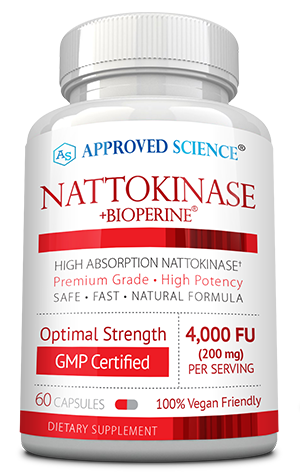
If you’re thinking about nattokinase for hypertension, safety comes first. This enzyme is often measured in FU (Fibrin Units), which reflects activity, not just milligrams.
Many full-strength supplements are marketed around 4,000 FU per serving. That number shows up often because it’s considered a potent, common label strength. Some formulas also include piperine (often branded as BioPerine) to support absorption. A few products avoid added vitamin K2 due to concerns about mixing clot-related supplements with anticoagulant meds, but this is still something to discuss with a clinician.
A quick quality checklist can save you money and headaches:
Clear activity label: FU amount is easy to find, not hidden in a “proprietary blend.”
Third-party testing: Look for lot testing or published quality standards.
cGMP manufacturing: A good sign of consistent processes.
Clean extras: Fewer fillers, binders, and dyes.
Diet fit: Vegan-friendly capsules if that matters to you.
What FU means on the label and what to look for in a quality supplement
FU is a measure of enzyme activity. It’s more useful than a simple weight number because enzymes can vary in strength.
If a product includes piperine (BioPerine), it may help uptake, but it can also change how your body handles certain meds. That doesn’t mean it’s bad, it just means you should double-check interactions, especially if you take multiple prescriptions.
Who should not take it and when to talk to your doctor first
Talk to a qualified clinician before using nattokinase for hypertension if any of these apply:
You take anticoagulants or antiplatelet meds (examples include warfarin, clopidogrel, daily aspirin, or similar)
You have a bleeding disorder or a history of unusual bleeding
You have upcoming dental work or surgery
You’re pregnant or breastfeeding
You bruise easily or notice nosebleeds that are new for you
You have black stools, severe headaches, or any signs of bleeding
If you’re already on blood pressure meds, keep your care team in the loop. Bring your home readings, supplement list, and dosing schedule.
Conclusion
For people managing hypertension, circulation support can be a smart angle, and nattokinase is one of the most talked-about enzymes in that space. It’s studied for fibrin breakdown and smoother blood flow, which may support steadier blood pressure in some people. It may also offer extra heart support through cholesterol, inflammation, and plaque-related pathways.
Pair supplements with what’s proven: less sodium, more potassium-rich foods if appropriate, daily walks, better sleep, stress control, and sticking with prescribed meds. The best plan is the one you can follow for months, not days.
Medical disclaimer: This article is for education only, not medical advice. Supplements are not intended to diagnose, treat, cure, or prevent disease. Talk with a qualified clinician before starting nattokinase, especially if you have hypertension, take medications, or have a medical condition.
Claim Your Health & Wellness
Explore tips and products for a healthier lifestyle.
Claim your health & wellness
info@claimyourhealthandwellness.com
© 2025. All rights reserved.