
Non-Alcoholic Fatty Liver Disease and Belly Fat: How They Connect and What Helps
FATTY LIVER
12/17/20256 min read
Non-Alcoholic Fatty Liver Disease and Belly Fat: How They Connect and What Helps
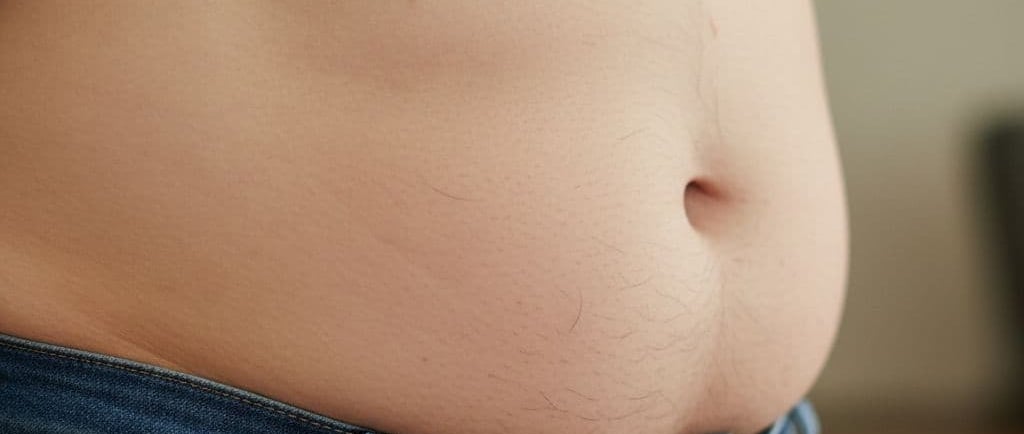
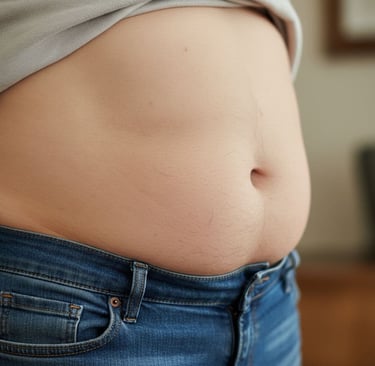
Have you been told you carry weight around your middle, or noticed your pants getting tighter at the waist? That extra belly fat can be more than a cosmetic issue. It is closely tied to non-alcoholic fatty liver disease (NAFLD), a very common condition where fat builds up in the liver.
Many people have NAFLD and feel completely fine. They only find out after a routine blood test or an ultrasound. Because it can raise the risk of type 2 diabetes, heart disease, and long-term liver damage, understanding the link with belly fat gives you a chance to act early and protect your health in a calm, practical way.
What Is Non-Alcoholic Fatty Liver Disease and How Is It Linked to Belly Fat?
A simple look at NAFLD (without the scary medical jargon)
Your liver is a busy, hard-working organ that filters blood, processes nutrients, and handles many hormones. In NAFLD, too much fat collects inside liver cells in people who drink little or no alcohol.
At first, this fatty liver often causes no pain or clear symptoms. You might feel tired or heavy, or you might feel normal. Many people only learn about it when liver enzymes on a blood test are a bit high, or when an imaging scan for another reason shows fat in the liver.
For some people, the fat just sits there. For others, the liver becomes irritated, which can lead to inflammation and scar tissue over time. The good news is that early changes in daily habits can slow or even reverse simple fatty liver in many cases.
How belly fat affects your liver, hormones, and blood sugar
Not all body fat acts the same. Fat just under the skin, like in the hips or thighs, is called subcutaneous fat. Deep belly fat that sits around the organs is called visceral fat.
Visceral fat is more active. It releases fatty acids and chemical signals into nearby blood vessels. You can picture it as a sponge that slowly leaks fat and messages into the bloodstream. Those leaks travel straight to the liver.
This process makes it harder for insulin to work well, a problem called insulin resistance. It often leads to higher blood sugar, higher triglycerides, and more fat stored in the liver. That is why people with a larger waist are more likely to have NAFLD, even if their weight on the scale does not look very high. It is not just about size or appearance, it is about how that deep belly fat behaves inside the body.
Signs, Risks, and When Belly Fat and NAFLD Are a Bigger Problem
Common risk factors that link belly fat and a fatty liver
You cannot feel NAFLD directly, but certain patterns and conditions raise the odds that belly fat is hurting your liver. Some common risk factors include:
Central obesity: A larger waist size is a strong sign of extra visceral fat and a higher chance of fatty liver.
Type 2 diabetes or prediabetes: High blood sugar goes hand in hand with insulin resistance, which feeds liver fat.
High cholesterol or high triglycerides: Extra fats in the blood often travel to the liver and build up there.
High blood pressure: Often part of the same metabolic picture that includes belly fat and NAFLD.
Polycystic ovary syndrome (PCOS): Hormone shifts and insulin resistance in PCOS make fatty liver more common.
Sleep apnea: Repeated drops in oxygen at night stress the body and can raise belly fat and liver fat.
Family history: If close relatives have fatty liver, type 2 diabetes, or early heart disease, your risk is higher too.
If several of these apply to you, it is smart to bring them up with your doctor.
Waist size, lab tests, and scans your doctor may use
You can get a first hint about visceral fat with a simple tape measure. Wrap it around your bare abdomen at the level of your belly button, without pulling tight. For many men, a waist of about 40 inches or more, and for many women, about 35 inches or more, suggests higher risk. Some groups may have risk at lower numbers, so your own background and body type matter.
Doctors also use blood tests such as ALT and AST (liver enzymes) to see if liver cells are stressed. They often check fasting glucose, A1C, and a full lipid panel, since sugar and fat levels in the blood track closely with NAFLD.
Imaging tests give more detail. An abdominal ultrasound is often the first step to spot fat in the liver. Some clinics also use FibroScan or MRI to look at liver stiffness and fat content. These tools help your doctor judge how serious the problem might be. They are not meant for self-diagnosis, so always ask a professional to interpret your results.
What Actually Helps: Everyday Changes That Target Belly Fat and a Fatty Liver
Eating in a way that calms your liver and shrinks belly fat
You do not need a perfect diet or a long list of rules to help your liver. Small, steady changes can lower liver fat and belly fat at the same time.
Simple eating tips that support NAFLD and metabolic health:
Cut back on sugary drinks, fruit juice, sweet tea, and soda. These flood the liver with sugar in a short time.
Limit fast food meals and ultra-processed snacks, such as chips, pastries, and candy.
Fill more of your plate with whole foods, like vegetables, fruits, beans, lentils, whole grains, nuts, and seeds.
Choose lean proteins, such as fish, poultry, tofu, eggs, and Greek yogurt, to keep you full and support muscle.
Use healthy fats, like olive oil and avocado, in small amounts instead of butter or shortening.
Pay attention to portions. Eating a bit less at most meals can slowly lower weight and liver fat.
Many people find a Mediterranean-style eating pattern, rich in plants, fish, olive oil, and whole grains, both realistic and friendly to the liver. Progress counts more than perfection.
Movement that targets deep belly fat and supports your liver
Exercise acts like a reset button for how your body handles sugar and fat. You do not need a gym membership to get the benefits.
Two kinds of movement help most:
Aerobic activity like brisk walking, cycling, dancing, or swimming helps burn calories and reduce visceral fat.
Resistance training like bodyweight moves, light dumbbells, or resistance bands helps build muscle, which improves insulin sensitivity.
A common goal is to work up to about 150 minutes per week of moderate activity, such as 30 minutes on 5 days. Add strength work on 2 days per week.
If that sounds like a lot, start smaller. A 5 to 10 minute walk after meals, taking the stairs when you can, or doing a short home routine while watching TV all count. The key is to move more, sit less, and build a routine you can keep.
Weight loss goals, sleep, and other lifestyle habits that protect your liver
When belly fat and NAFLD are present, even modest weight loss helps. Losing about 5 percent to 10 percent of your body weight can lower liver fat and often improve lab results. You do not need to reach a “perfect” weight to see gains.
Sleep and stress matter too. Most adults do best with 7 to 9 hours of sleep per night. Poor sleep and high stress hormones can make your body store more belly fat and raise blood sugar. Simple habits like a regular bedtime, less screen time at night, short breathing exercises, or a brief walk in fresh air can calm your system.
Alcohol can add extra strain on a fatty liver, even in amounts that once felt “moderate.” Ask your doctor how much, if any, is safe for you. Be careful with over-the-counter supplements that claim to “detox” the liver. Some can actually damage it. Always talk with a medical professional before starting herbal products, and work with your doctor on any medicines that might help your liver or metabolic health.
Conclusion
Belly fat and NAFLD are closely linked, but that link is also a path to change. The same simple habits that trim your waistline, such as better food choices, more movement, sound sleep, and stress care, can also lower liver fat and improve your overall health.
You do not have to change everything at once. Pick one or two small actions to start this week, like skipping sugary drinks or adding a 10 minute walk after dinner, and build from there. Talk with your doctor about testing for fatty liver and about a plan that fits your life and your medical needs.
Medical disclaimer: This article is for general information only and does not replace personal medical advice, diagnosis, or treatment. Always talk with a qualified health professional about your own health and any questions about tests, medicines, or lifestyle changes.
Claim Your Health & Wellness
Explore tips and products for a healthier lifestyle.
Claim your health & wellness
info@claimyourhealthandwellness.com
© 2025. All rights reserved.