Stress, Anxiety, and Blood Pressure: Simple Daily Habits to Calm Your Numbers
HYPERTENSION
12/16/20255 min read

Stress, Anxiety, and Blood Pressure: Simple Daily Habits to Calm Your Numbers
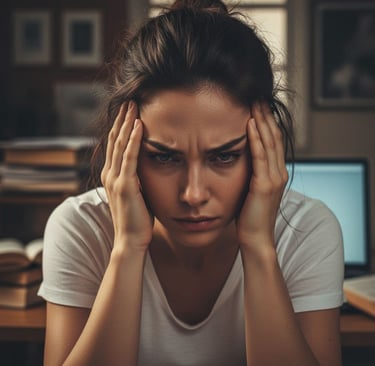
You know those days when everything piles up at once? You slept badly, traffic was awful, money or family worries are on your mind, and your heart feels like it is racing. Maybe you even check your cuff and see higher numbers than usual.
That mix of stress, tight muscles, and a pounding heart is not just in your head. Stress and anxiety can cause short bursts in blood pressure, and if your stress rarely drops, your numbers may creep higher over time.
The good news is that you do not need a total life makeover to support calmer blood pressure. Simple daily habits can help your nervous system relax, your heart slow down, and your body feel safer. This guide will walk you through easy tools you can start using today.
How Stress and Anxiety Affect Your Blood Pressure
Stress is not only an emotion. It is a full body reaction. When your brain senses trouble, real or imagined, it prepares you to fight, freeze, or run away.
What Actually Happens in Your Body When You Feel Stressed
When you feel stressed, your brain sends a signal to your adrenal glands. These glands release stress hormones, like adrenaline and cortisol.
Adrenaline makes your heart beat faster. Blood pumps harder through your body. At the same time, your blood vessels tighten. This raises your blood pressure so you can react quickly.
This response helps in real danger, like a car swerving in front of you. But common triggers can set it off too. Work deadlines, traffic, arguments, money worries, or fears about your health can all flip this switch.
Your nervous system does not always know the difference between a real threat and a stressful thought. If your thoughts stay on high alert, your body often follows.
The Hidden Link Between Constant Worry and High Blood Pressure
Short stress is normal. The problem comes when stress and anxiety never let up.
When you worry most of the day, your body may stay stuck in “high alert” mode. Stress hormones stay higher. Your heart does not get as many calm moments. Blood vessels stay tighter, so blood pressure may stay higher.
Sleep often suffers, and cravings may shift toward salty snacks, sugar, or alcohol. Many people cope with stress by overeating, drinking more, or scrolling on a screen late at night. These habits can push blood pressure even higher.
Blood pressure also connects to salt intake, weight, movement, sleep, and family history. You cannot control every factor, but you can build small daily habits that ease stress and support your heart.
Simple Daily Habits to Calm Stress and Support Healthier Blood Pressure
You do not need hours a day. Even a few minutes of steady practice can help your body relax and support more stable numbers over time.
Use Your Breath to Calm Your Nervous System in 60 Seconds
Your breath is one of the fastest tools to calm stress. Slow breathing tells your brain, “I am safe.”
Try this simple 4-4-6 breath:
Sit or lie down and relax your shoulders.
Breathe in through your nose for a slow count of 4.
Gently pause your breath for a count of 4.
Exhale through your mouth for a count of 6.
Repeat for 6 to 10 rounds.
You can also place one hand on your belly and feel it rise as you breathe in, then fall as you breathe out.
Use this before checking your blood pressure, when worry spikes, or as you get into bed.
Move Your Body Gently to Release Stress and Lower Tension
Movement helps your body use up stress hormones and relax tight muscles. It also trains your heart and blood vessels to work more smoothly.
You do not need a gym membership. Try one of these:
A 10 to 20 minute walk outdoors or indoors
Light stretching while you watch TV
Simple chair exercises
Dancing in your living room to one song
Both keto and vegan lifestyles can pair well with daily movement. When you fuel your body with steady energy and move often, you usually feel less sluggish and more clear headed, which helps stress feel easier to handle.
Create a Simple Wind-Down Routine for Better Sleep and Calmer Numbers
Poor sleep raises stress hormones, which can push blood pressure higher the next day. A short bedtime routine can teach your body when it is time to slow down.
A simple plan:
Dim lights about 30 minutes before bed
Turn off phones and screens, or at least avoid stressful content
Do a few gentle stretches or 5 minutes of slow breathing
Sip a small cup of non-caffeinated herbal tea if it is safe for you
Try to go to bed and wake up around the same time, even on weekends. Parents and busy workers can keep this routine short and still see benefits.
Stress Less With Food: Hydration and Smart Snacks
Food choices affect both mood and blood pressure. You do not need a strict plan to get benefits.
Aim for:
More water and fewer sugary drinks
Whole foods most of the time, like fruits, vegetables, beans, nuts, seeds, and lean proteins
Less very salty processed food, like chips, instant noodles, and fast food
Less caffeine and sugar when you already feel anxious
Both keto and vegan styles can support heart health when planned well. A heart friendly plate often includes healthy fats, fiber rich vegetables, and solid protein sources. Keep in mind this is general guidance, not personal diet advice.
Quick Mind Habits: Simple Ways to Calm Worry in the Moment
Your thoughts can speed up your heart. Short mind habits can break that rush of worry.
A few ideas:
Write it down: Spend two minutes listing worries on paper, then set the paper aside.
Use a calming phrase: Repeat, “I am safe right now,” or “One step at a time.”
Try the 5 senses check: Name 1 thing you see, hear, feel, smell, and taste.
Even 1 to 3 minutes of these steps can interrupt a stress spike. Choose one that feels natural and use it every day so it becomes your automatic reset.
When to Talk With a Doctor and How to Track Your Progress
Daily habits from Claim Your Health and Wellness can support you, but they do not replace medical care. It is important to know when to reach out for help and how to track your numbers.
Warning Signs You Should Not Ignore
Call emergency services or seek urgent care if you have:
Chest pain or pressure
Trouble breathing
A sudden, very bad headache
Sudden changes in vision or speech
Blood pressure readings that are extremely high, such as 180/120 or higher
Talk with a health professional if you live with constant anxiety, panic attacks, or feel hopeless most days. You deserve care for both your mind and your heart.
Check Your Numbers and Notice How Habits Help Over Time
If you have a home monitor, check your blood pressure at the same times each day, such as morning and evening. Sit quietly for a few minutes before measuring.
Keep a simple log with:
Your blood pressure reading
How you slept
Stress level that day
Any habits you used, like walking or breathing
Bring this log to your health care provider. Progress may be slow, but small drops in numbers, better sleep, or calmer moods are wins worth celebrating.
Conclusion: Small Habits, Calmer Heart
Stress and anxiety can push blood pressure up, especially when they never let go. The hopeful part is that small daily actions can help calm your nervous system and support healthier numbers.
Slow breathing, gentle movement, better sleep, simple food shifts, and quick mind tools all work together to signal safety to your body. You do not need to do everything at once.
Choose one or two habits to start this week and stick with them. Over time, those small choices can support your heart, your mood, and your long term health, one steady breath and one short walk at a time.
Medical Disclaimer - This article is for general education only. It is not personal medical advice and does not diagnose or treat any health condition. It does not replace care from a doctor, nurse, or other qualified health professional. Always talk with your health care provider before changing your medicines, diet, or exercise routine, especially if you have high blood pressure, heart disease, or mental health concerns.
Claim Your Health & Wellness
Explore tips and products for a healthier lifestyle.
Claim your health & wellness
info@claimyourhealthandwellness.com
© 2025. All rights reserved.