
The High-Volume Plate Method: Bigger Meals, Fewer Calories (Using Fibre and Water-Rich Foods)
WEIGHT LOSS
12/24/20258 min read
The High-Volume Plate Method: Bigger Meals, Fewer Calories (Using Fibre and Water-Rich Foods)
If you’ve ever tried to cut calories, you know the worst part isn’t the math. It’s the hunger. You finish a “reasonable” meal, then your stomach starts bargaining an hour later. That’s when snacking gets loud, willpower gets tired, and plans fall apart.
The high-volume plate method fixes that problem with a simple idea: make your meals look and feel bigger, without piling on calories. You do it by filling most of your plate with fibre-rich and water-rich foods, then adding enough protein and a small, measured amount of fat for satisfaction.
This isn’t a fad diet. It can work with keto, vegan, or mixed eating styles. You’ll learn what “high-volume” really means, why it works, how to build a repeatable plate, and the common mistakes that make “healthy” meals backfire.
What is the high-volume plate method, and why it helps you feel full on fewer calories?
The high-volume plate method is a way to eat more food by volume while keeping calories in check. “Volume” here means space on the plate, the size of the meal, and the physical amount of food you chew and digest. It doesn’t mean eating more calories.
Think of your stomach like a stretchy bag with sensors. When it fills up, it sends “I’m satisfied” signals to your brain. High-volume meals take advantage of that. They bring more bulk from foods that naturally contain a lot of water and fibre. The result is often the feeling of a big, comforting meal, with fewer calories than a smaller, richer plate.
This approach also tends to support steadier energy. When meals have fibre, protein, and a reasonable portion of carbs or fats, cravings often calm down. You’re not relying on tiny servings that leave you prowling the kitchen later.
The simple idea: low calorie density foods take up more space
Calorie density is just “how many calories are packed into a bite.” Some foods are like sponges, big and filling with fewer calories. Others are like bricks, small but loaded.
A simple example: grapes vs raisins. A cup of grapes looks like a generous snack. A cup of raisins is easy to overeat because it’s compact, and the calories add up fast. Same plant, different density.
Another example: a large salad with crunchy veggies can fill a dinner plate. A small handful of chips can disappear in minutes, and still leave you wanting more.
Water and fibre are the main reasons. Water adds weight and volume without calories. Fibre adds bulk and slows how fast a meal moves through your gut.
Fat matters here too. Fat is healthy and useful, but it’s calorie-dense. That doesn’t mean “avoid it.” It means portion it so it supports satisfaction instead of quietly doubling your calorie intake.
Why fibre and water-rich foods curb cravings and support blood sugar
Fibre and water-rich foods can help you stay satisfied because they tend to digest more slowly. Slower digestion often means a steadier rise and fall in blood sugar, which can reduce that rebound hunger feeling that hits after a fast, refined meal.
This can fit well with goals tied to blood sugar support, inflammation support, and fatty liver-friendly habits, because it often nudges meals toward plants, lean proteins, and fewer ultra-processed calories. It’s still food, not a medical treatment, but it’s a practical structure many people can stick with.
Signs the method is working include:
You snack less between meals without forcing it.
You feel satisfied after eating, not “still searching.”
Portions get easier to manage because the plate looks full.
How to build a high-volume plate step by step (easy visual guide)
The easiest way to use the high-volume plate method is to follow a simple build. Picture your plate in layers.
Start with a big base of non-starchy veggies (volume).
Add a solid serving of protein (staying power).
Pick your carbs (or swaps) based on your goals.
Finish with a small amount of fat and bold flavor (satisfaction).
Needs vary by body size, activity, health goals, and hunger cues. Use this as a starting point, then adjust. If you’re always hungry, you may need more protein or more high-fibre carbs. If weight loss is the goal and progress stalls, measure fats and sauces first.
Start with half your plate of non-starchy veggies and broth-based volume
Aim for half your plate (or more) from non-starchy veggies. These foods are high in water, high in fibre, and low in calorie density.
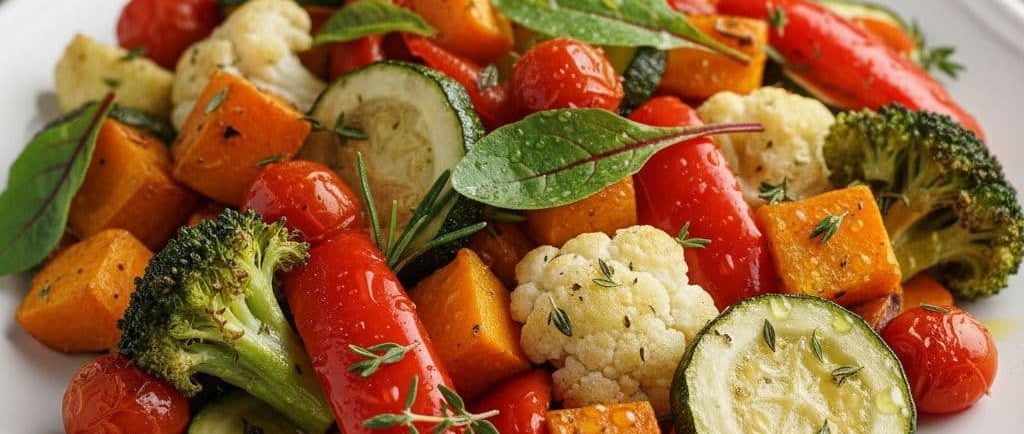
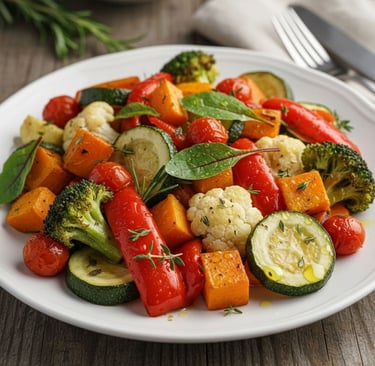
Great choices include leafy greens, cucumbers, tomatoes, zucchini, mushrooms, cauliflower, cabbage, peppers, broccoli, green beans, and asparagus.
A few “volume tricks” that make meals feel huge:
Soup first: Start with a broth-based vegetable soup, then eat your main plate. It’s like putting a speed bump in front of overeating.
Veggie-loaded stir-fries: Use a big pan of mixed veg, then add protein. Serve over a smaller scoop of rice, or over cauliflower rice.
Crunchy slaws: Cabbage slaw with vinegar, lime, and herbs holds up well for days.
Salsa as a side: Tomato salsa, cucumber salsa, or pineapple salsa adds bulk and brightness.
Herb-heavy salads: Add parsley, cilantro, mint, dill, and arugula to make salads taste “alive.”
To keep high-volume meals from tasting like punishment, build flavor on purpose:
Salt your veggies (lightly) and taste as you go.
Add acid like lemon juice or vinegar.
Use spices (smoked paprika, cumin, curry powder, chili flakes).
Add crunch in small amounts (a sprinkle of pumpkin seeds, crushed nuts, or crispy onions).
Add protein for staying power (and pick options that fit your style)
Protein helps with fullness and supports muscle, especially during weight loss. Without enough protein, a “big salad” can turn into hunger an hour later.
Use a simple portion cue: about a palm-sized serving of protein at meals (more for larger bodies or heavy training, less for smaller bodies). If you’re using a bowl, think 1 to 1.5 cups for many protein foods, depending on the type.
Options that fit different eating styles:
Omnivore: chicken, turkey, fish, eggs, Greek yogurt, cottage cheese, lean beef, shrimp.
Vegan: tofu, tempeh, edamame, lentils, beans, seitan (if tolerated).
Quick pantry picks: tuna or salmon packets, canned beans, pre-cooked lentils, frozen shrimp, rotisserie chicken (if that works for your plan).
A simple habit that keeps calories reasonable: pair protein with a big veggie base first, then add calorie-dense extras after you’ve built volume.
Choose smart carbs or lower-carb swaps, based on your goals
Carbs are optional in the high-volume plate method. Some people feel best with a balanced plate. Others do better lower-carb. The method works either way, because the base is still volume from vegetables and fibre.
For a general balanced approach, choose carbs that bring fibre and nutrients:
Fruit (especially berries, melon, citrus)
Beans and lentils
Oats
Brown rice or quinoa
Potatoes
A useful detail if you like it: cooling cooked potatoes or rice, then reheating, can increase resistant starch. It’s not magic, but it can be a nice bonus for some people.
For lower-carb or keto-style plates, keep the same structure and swap the starch:
Cauliflower rice
Spaghetti squash
Shirataki noodles (rinse well and season)
Extra veggies in place of grains
Whatever you pick, watch sauces and added sugars. A “healthy bowl” can get heavy fast when it’s drenched in sweet teriyaki or a large pour of creamy dressing.
Finish with “flavor and fat,” small amounts that make the meal satisfying
Fat makes food satisfying. It also adds calories quickly, so the trick is to use small, measured amounts instead of free-pouring.
Easy portion guides:
Olive oil: 1 to 2 teaspoons
Nuts or seeds: 1 tablespoon
Hummus: 1 to 2 tablespoons
Avocado: about 1 quarter
Cheese: a small sprinkle (think 1 to 2 tablespoons shredded)
Then stack on low-cal flavor boosters:
Mustard, hot sauce, salsa
Pickles or pickled onions
Fresh herbs
Vinegar-based dressings
Citrus zest and juice
This is the difference between “diet food” and food you actually want to eat again tomorrow.
High-volume plate food list and meal ideas you can use this week
The best part of the high-volume plate method is that it’s repeatable. Once you know your “volume base” foods, you can mix and match with whatever protein and carb style fits your life.
To make it easy, pick a few meals you like and repeat them. Repetition isn’t boring when the flavors change.
Time-savers help a lot here: frozen vegetables, bagged salads, steam-in-bag cauliflower rice, and a batch of veggie soup can carry a week.
Best fibre and water-rich foods for big meals with fewer calories
Non-starchy veggies: spinach, romaine, kale, cucumbers, tomatoes, zucchini, mushrooms, cauliflower, cabbage, peppers, broccoli, green beans.
Fruits: berries, melon, oranges, grapefruit, kiwi, peaches (whole fruit beats juice for fullness).
Legumes: lentils, chickpeas, black beans, white beans (great for fibre and budget).
Whole grains: oats, quinoa, brown rice, barley (use a smaller scoop, then build volume with veg).
Soups and stews: broth-based veggie soup, chicken and vegetable soup, lentil soup (go easy on creamy soups if calories are tight).
High-protein add-ons: Greek yogurt, cottage cheese, tofu, tempeh, eggs, tuna, shrimp, edamame.
Hydration matters when you raise fibre. Drink water through the day. Also note broths can be high in sodium, so choose lower-sodium options if you need to.
Sample high-volume plates (balanced, vegan, and lower-carb)
Taco salad bowl (balanced): chopped romaine, tomatoes, peppers as the volume base, seasoned ground turkey or beans for protein, salsa and a small scoop of guac for fat.
Veggie soup plus protein: big bowl of broth-based vegetable soup, add shredded chicken or tofu, finish with lemon and herbs, plus a teaspoon of olive oil if needed.
Big stir-fry (any style): cabbage, mushrooms, zucchini, and peppers as the base, shrimp or tempeh for protein, finish with soy sauce, garlic, and sesame seeds (1 tablespoon).
Greek bowl (balanced): cucumbers, tomatoes, red onion, and greens, add chicken or chickpeas, finish with feta sprinkle and a measured olive oil drizzle.
Vegan burrito bowl (high-fibre): lettuce and sautéed peppers as the base, lentils and black beans for protein, top with salsa, lime, and 1 to 2 tablespoons hummus.
Lower-carb burger bowl: shredded lettuce, pickles, tomatoes, and onions as the base, burger patty or turkey patty for protein, finish with mustard and a small sprinkle of cheese.
Common mistakes that make “high-volume” backfire, and how to fix them
High-volume eating can feel almost too easy, until a few small habits quietly push calories up. These fixes don’t require perfection, just awareness.
If you’re pregnant, managing a medical condition, or have a history of an eating disorder, get personal guidance before changing your intake. The goal is steady nourishment, not restriction for restriction’s sake.
Hidden calories: oils, dressings, nuts, cheese, and sugary drinks
Most “high-volume” meals fail because of extras, not because of vegetables.
Common traps include heavy oil pours, large handfuls of nuts, frequent cheese add-ons, creamy dressings, and sugary drinks that don’t fill you up.
Practical fixes:
Measure oil for a week. It’s an eye-opener.
Try yogurt-based dressings or vinaigrettes with less oil.
Choose whole fruit over juice.
Swap soda for sparkling water with lemon or a zero-sugar option.
Restaurant tip: ask for dressing on the side, request double veggies, and skip creamy sauces when you can.
Too little protein, too little planning, and eating too fast
A giant veggie bowl with barely any protein can leave you hungry later. So can a good meal eaten in five rushed minutes.
Fix it with simple habits:
Keep 2 to 3 go-to proteins ready (boiled eggs, Greek yogurt, tofu, cooked chicken, canned fish, pre-cooked lentils).
Build a default grocery list (two proteins, three veggies, one fruit, one carb option, one flavor add-on).
Use a 10-minute slow-down rule. Sit, chew, and pause halfway through.
Start meals with soup or salad to slow your pace naturally.
If you’re increasing fibre, go slow for a week or two and drink more water. Your gut often needs time to adjust.
Conclusion
The high-volume plate method is a practical way to feel full while eating fewer calories. Build your meal like a house: start with a big foundation of fibre and water-rich foods, add protein for staying power, then finish with a small portion of fats and bold flavour. The plate looks generous, your stomach feels satisfied, and cravings often quiet down.
Try it for 7 days and pay attention to fullness and snack urges, not perfection. For an easy next step, choose three high-volume meals from this post and repeat them on busy days.
Disclaimer - This article is for informational purposes only and isn’t medical advice. For personal guidance, talk with a qualified healthcare professional, especially if you have diabetes, kidney disease, GI conditions, are pregnant, have an eating disorder history, or take medications that affect appetite or blood sugar.
Claim Your Health & Wellness
Explore tips and products for a healthier lifestyle.
Claim your health & wellness
info@claimyourhealthandwellness.com
© 2025. All rights reserved.